Introduction
In a world where fitness options are more abundant than ever, choosing between online personal training and traditional gym workouts can feel overwhelming. With the rise of digital platforms, many individuals are discovering the convenience and flexibility of online training, bringing the gym directly into their living rooms. On the other hand, nothing quite compares to the buzzing energy of a gym, equipped with specialized machines and the motivation of fellow fitness enthusiasts. But which approach truly aligns with your fitness goals? In this article, we’ll dive into the unique benefits and drawbacks of both online personal training and gym workouts. By examining factors such as individual accountability, accessibility, and customization, you can make an informed decision that suits your lifestyle and personality, helping you propel toward your fitness aspirations. Whether you’re a novice or a seasoned gym-goer, understanding these options will help you carve a path that best suits your journey to wellness.
Key Differences Between Online Personal Training and Gym Workouts
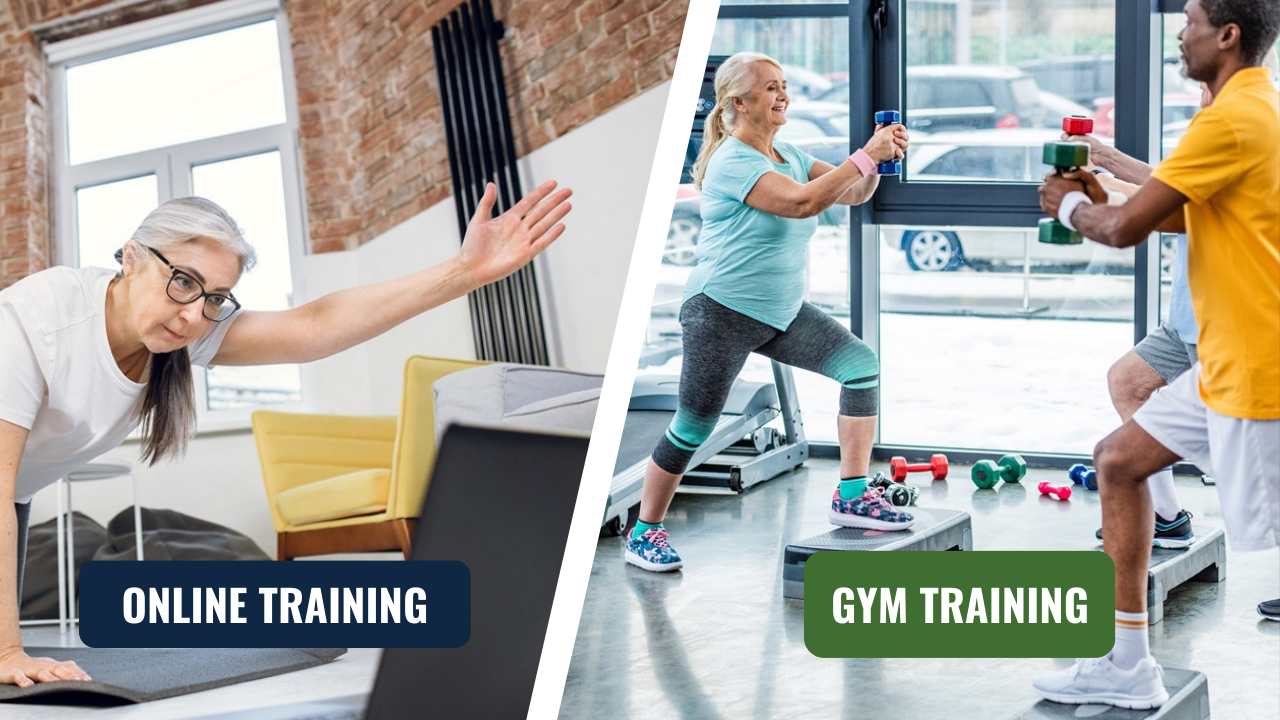
When it comes to fitness, the landscape is significantly varied today, offering myriad ways to achieve your health goals. Among the most debated choices are online personal training and traditional gym workouts. Understanding the fundamental differences between the two can set the stage for a more informed decision.
Online personal training primarily relies on digital platforms to deliver tailored fitness programs, often through video calls, apps, or pre-recorded sessions. This method offers a high degree of flexibility, allowing individuals to exercise from virtually any location at any time.
On the other hand, traditional gym workouts involve physically visiting a gym or fitness center equipped with various machines, free weights, and other specialized equipment. The gym setting provides a structured environment where one can focus solely on their fitness goals, often with direct supervision from personal trainers or gym staff. The tactile experience of using gym equipment and the palpable energy from fellow gym-goers can be incredibly motivating for many.
Another critical difference lies in the level of interaction and personalization. Online training can offer one-on-one sessions through video conferencing, but it lacks the immediate physical presence of a trainer who can adjust your form or provide instant feedback.
Conversely, gym workouts allow for real-time corrections and a more hands-on approach, which can be particularly beneficial for beginners or those needing extra guidance.
Comparing apples to apples
When comparing online personal training with traditional gym training, it is essential to recognize that both follow a similar service structure, ranging from self-managed access to fully personalized guidance. The real difference lies not in what you receive, but in how that service is delivered.
At the entry level, both options start with self-guided training.
In the online space, this might take the form of app-based programs or pre-recorded workout libraries designed for independent users. In the gym environment, it translates to a basic membership that grants access to machines, free weights, and general amenities without individual guidance. In both cases, the trainee is responsible for structure, motivation, and progress tracking.
The next stage introduces structured guidance and partial support.
Online, generic workout plans are adapted to individual needs, sometimes accompanied by occasional feedback or check-ins from a trainer. In gyms, this level is comparable to participating in group fitness classes or small-group sessions where an instructor provides general cues and motivation, but not ongoing personalized coaching.
Moving upward, personalization becomes the defining factor.
At this stage, online coaching evolves into a tailored experience. Workouts are tailored to one’s equipment, goals, and schedule, supported by continuous progress tracking and personalized communication with a coach. The gym counterpart would be individual personal training sessions, where the instructor observes and corrects movement patterns, adapts routines, and manages load progression in real time.
At the top end, both environments converge into one-on-one mentorship.
In the digital realm, this means real-time video coaching, live feedback, and a coach who remotely monitors all aspects of the client’s progress. In the gym, it reflects the premium private training model, often involving dedicated facilities, performance assessments, and integrated recovery or nutritional services.
Across both settings, the pattern is unmistakable: as the level of personalization and real-time involvement increases, so does the overall value of the experience. Where online training offers flexibility and accessibility, gym-based programs trade in proximity and hands-on interaction. Understanding these tiers is crucial before comparing their effectiveness or cost. It ensures we’re weighing parallel forms of service rather than contrasting fundamentally different products.
Benefits of Online Personal Training
Convenience
One of the greatest strengths of online personal training is its unmatched convenience. You can train wherever life takes you, from your living room to a hotel room or even outdoors, as long as you have an internet connection. For busy professionals, travelers, or those who simply value privacy, this flexibility changes the game. There’s no commute, no waiting for equipment, and no chance of accidentally starring in someone’s gym blooper reel. Your workout begins when you decide, with no audience except your chosen trainer.
Access to personal trainers across the globe
Another substantial benefit is the breadth of options available. Online platforms offer a plethora of trainers, each with unique specialties and styles, making it easier to find someone who aligns with your specific fitness goals. Whether you’re looking for yoga, high-intensity interval training (HIIT), strength training, or muscle building, there’s a trainer out there who can cater to your needs. This variety is something traditional gyms might struggle to match, especially smaller, more specialized facilities. Additionally, while online personal trainers are a subset of the whole personal training market, the geographic difference between you and your personal trainer is of little importance. This gives you access to personal trainers worldwide.
Use of modern tracking technology
Moreover, online personal training often incorporates advanced technology to track progress and customize workouts. Wearable fitness devices, apps that log your workouts, and virtual reality environments are just a few examples of how technology can enhance the training experience. These tools provide valuable data and insights, helping you and your trainer fine-tune your program for optimal results.
Privacy
Privacy is another significant advantage of online personal training. While a live coaching session naturally requires visual communication, your trainer needs to observe movement and provide feedback; the interaction remains contained between you and your chosen professional. This makes selecting a trainer you trust essential, as they become your sole observer and guide [1]. Beyond that, you retain complete control over your environment. For those who find the gym atmosphere distracting or uninviting (due to noise, crowds, or the performative culture that often surrounds it), exercising in the calm of one’s own space can be liberating. In such cases, training at home is not merely convenient; it transforms the entire experience into something more private, focused, and personally meaningful [2].
Advantages of Traditional Gym Workouts
The Atmosphere
Traditional gym workouts offer a unique environment that many find highly motivating. The atmosphere of a gym, filled with people pushing their limits, can be incredibly inspiring. This communal energy often drives individuals to work harder and stay committed to their fitness goals. Additionally, the presence of professional trainers and staff provides immediate guidance and support.
Equipment options
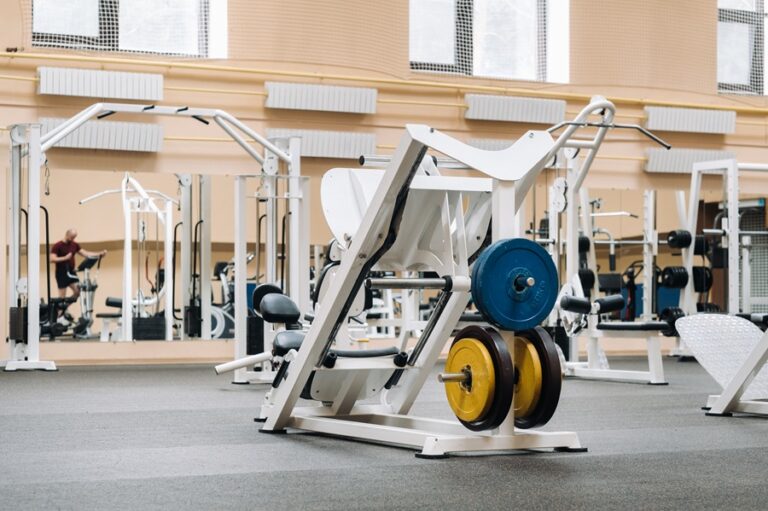
Gyms are also equipped with a wide array of machines and free weights, allowing for a more diverse and comprehensive workout. Specialized equipment, such as squat racks, cable machines, and leg press machines, can target muscle groups more effectively than body weight exercises alone. This variety helps maintain interest and ensures that you can continually challenge your body in new ways.
The Routine
Furthermore, the structured environment of a gym can help instill discipline and routine. The act of physically going to a designated space dedicated to fitness can create a mental shift, helping you focus solely on your workout. This separation of environments can be particularly beneficial for those who struggle with distractions when working out at home.
Cost Comparison: Online Training vs. Gym Memberships
When comparing the costs of online personal training and traditional gym memberships, several factors come into play.
The level of individual service determines the base price
Online personal training typically offers various pricing plans, ranging from affordable pre-recorded sessions to live group classes and premium one-on-one sessions. This flexibility enables you to select a package that suits your budget, making it more accessible to a broader audience [3].
Gym memberships, on the other hand, can vary significantly in price depending on the facility’s location, amenities, and membership perks. High-end gyms with state-of-the-art equipment, spas, and pools can be pretty expensive. However, many gyms also offer more budget-friendly options, especially if you’re willing to forgo some of the extra amenities. It’s essential to consider what you really need and what you’re willing to pay for when choosing between these two options.
Both options have secondary costs
Another cost factor to consider is the additional expenses associated with maintaining your fitness routine. For online training, you may need to invest in home equipment, such as dumbbells, resistance bands, or yoga mats. While these are one-time purchases, they can add to the initial cost. Gym memberships often include access to all necessary equipment; however, you may incur additional costs for transportation or special classes not covered by your membership.
Labour costs are bound to the location of the service
Lastly, the pricing for Gym Workouts is heavily influenced by your location. If the cost of rent and wages is lower in your area, chances are that the gym service will be cheaper as well. This is not the case with online personal training, as pricing is more closely tied to the location where the service is delivered. The price difference is especially noticeable when considering the cost of human labor, which becomes significant at the higher end of the delivered service. This, however, also means that no matter where you are from, an online personal trainer from Switzerland will most likely charge you their regular Swiss rate, even if you live and exercise in a location with much lower labor costs and income per capita.
Flexibility and Convenience: Which Option Wins?
When it comes to flexibility and convenience, online personal training often takes the lead. The ability to work out from anywhere at any time is a significant advantage for those with unpredictable schedules. This flexibility allows you to easily fit workouts into your day, whether you’re a morning person or prefer to exercise in the evening. No more stressing about gym hours or crowded peak times.
Online training involves little logistics
Online training also eliminates the need to commute, which is often one of the most significant barriers for those living in busy urban areas. The time once spent navigating traffic or waiting for public transport can instead be redirected toward recovery, preparation, or simply rest. All of these support consistent progress.
Online training has flexible scheduling
Beyond saving travel time, online training simplifies scheduling. Sessions can be arranged around existing commitments, and switching to another trainer or program can be done within minutes rather than weeks. When you step back and look at the total time invested in a typical month, a complete cycle of online programming and check-ins can often be accomplished in the same time it takes to make a single round trip to the gym. For many professionals, that difference represents not just convenience, but sustainability.
Going to the gym is already a sign of commitment and an act of not turning back
However, traditional gym workouts offer their own form of convenience, especially for those who thrive on routine. The structured environment of a gym, with its fixed hours and dedicated training space, can naturally instill discipline. For many, the very act of commuting to the gym becomes a ritual that signals focus and commitment, separating exercise time from the distractions of home life. In contrast, online training requires a degree of preparation often overlooked: a device capable of video calls, a stable internet connection, wireless earphones for communication, and a calm, uninterrupted environment. While the gym provides structure by design, the virtual setting demands that structure be created intentionally.
Personalization and Customization in Training Programs
One of the standout features of online personal training is the high level of personalization and customization it offers. Many online trainers create customized programs tailored to your specific goals, fitness level, and any physical limitations. This bespoke approach ensures that your workout is as effective and safe as possible, helping you achieve your goals more efficiently.
Online platforms often use advanced algorithms and data analytics to track your progress and adjust your program as needed. This dynamic approach enables continuous improvement and adaptation, ensuring your workouts remain challenging and effective. Having a program that evolves with you is a significant advantage for maintaining long-term fitness.
Traditional gym workouts can also offer personalized training, particularly if you opt for personal training sessions. In-person trainers can provide immediate feedback and make real-time adjustments to your form and technique, which can be invaluable for progress and injury prevention. However, this level of customization often comes at a higher cost, making it less accessible for some individuals.
Community and Social Interaction: Online vs. In-Person
Community and social interaction play vital roles in maintaining motivation and commitment to a fitness program. Traditional gym workouts often provide a strong sense of community. The camaraderie among gym-goers, the ability to participate in group classes, and the chance to make new friends can be incredibly motivating. This social aspect can turn the gym into a place you look forward to visiting, rather than just another item on your to-do list.
Online personal training also offers community benefits, although in a different format. Virtual group classes and online fitness communities can provide social interaction and support. Many online platforms, including forums, chat groups, and social media pages, offer members a space to share their progress, ask questions, and support one another. While this may lack the face-to-face interaction of a gym, it still offers a sense of belonging and motivation.
The choice between online and in-person social interaction often comes down to personal preference. Some people thrive on the physical presence of others, finding motivation and accountability in the gym. Others may prefer the virtual communities offered by online training, enjoying the ability to connect with a diverse group of people from around the world.
Success Stories: Transformations from Both Training Methods
Success stories abound in both online personal training and traditional gym workouts, showcasing the effectiveness of each method. Many individuals have achieved remarkable transformations through online training, often sharing their journeys on social media or fitness platforms. These success stories highlight the potential of online training to deliver significant results, even without a physical gym.
Traditional gym workouts also boast numerous success stories, with many people finding the gym environment conducive to achieving their fitness goals. The combination of specialized equipment, professional guidance, and a motivating atmosphere has helped countless individuals transform their bodies and improve their health. These stories often emphasize the importance of consistency, discipline, and the benefits of having access to a well-equipped fitness facility.
While the methods may differ, the common thread in all these success stories is the commitment to a fitness journey. Whether through online training or gym workouts, achieving significant results requires dedication, consistency, and a willingness to push through challenges. These stories serve as a testament to the fact that, regardless of the method, success is attainable with the right mindset and effort.
The do-it-yourself dilemma
While both online personal training and traditional gym workouts can offer structure and support, many people still prefer to design and perform their own routines. At first, this approach is the most flexible and cost-effective option. Yet, training safely without professional input demands more than motivation; it requires a thorough understanding of biomechanics, progressive overload, and proper equipment use. Without that foundation, self-directed exercise often drifts toward inefficiency or, worse, injury.
Online personal training without real-time supervision requires good head knowledge
At home, the risks usually stem from limited supervision and the nature of consumer-grade equipment. Resistance bands, adjustable dumbbells, or improvised setups can be effective, but they often lack the stability and safety features of professional machines. Incorrect form or a misunderstanding of how a device should be used can quickly turn a productive effort into strain. And when training alone, there’s no spotter or instructor to intervene if something goes wrong; whether that’s losing balance, dropping weight, or overextending a joint.
At the gym, catastrophic injuries can occur if appropriate safety measures are not taken
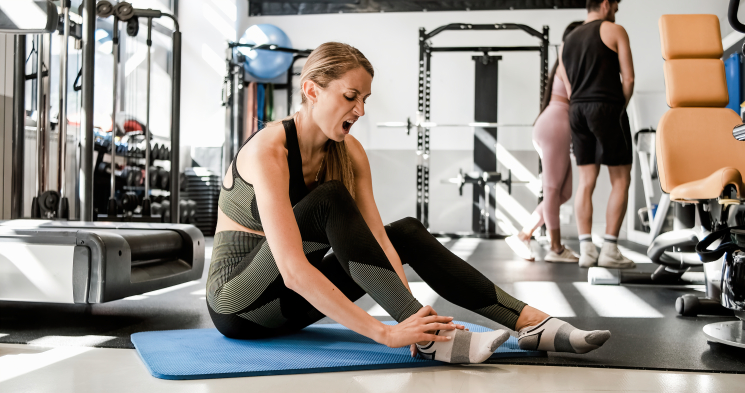
In the gym, the hazards take on a different form. While commercial equipment is sturdier and built for safety, it can also encourage overconfidence. Misjudging proper machine settings, loading too much weight, or copying advanced lifters without understanding the technique can lead to acute injuries or chronic stress. Even something as simple as adjusting a seat height or bar position incorrectly can compromise alignment and increase risk.
If you are not willing to understand the ins and outs of Exercise, it's better to ask for guidance
Regardless of the setting, the principle is the same: knowledge and guidance are essential. Understanding how to use your equipment, how to move through each exercise safely, and when to seek feedback are what turn enthusiasm into sustainable progress. Whether that feedback comes from an online coach or an in-person trainer, occasional professional input ensures that your hard work builds strength, not setbacks.
For that reason, at Brevis-Fit, we recommend one-on-one guidance as the foundation of any effective training program. Individualized supervision ensures efficiency and safety at every workout, enabling you to progress confidently and maximize the long-term benefits of your efforts. It’s the simplest way to ensure that every session contributes not just to short-term results, but to lasting strength, resilience, and health [4], [5].
Conclusion
Choosing between online personal training and traditional gym workouts ultimately depends on your individual needs, preferences, and lifestyle. Both methods offer unique benefits and can be highly effective in helping you achieve your fitness goals.
Online personal training provides exceptional flexibility, a broad range of programming options, and advanced customization, making it particularly suitable for those with demanding schedules or specific training preferences. Traditional gym workouts, on the other hand, offer a structured environment, access to specialized equipment, and the motivating energy of in-person interaction. For many, the guidance of a trainer and the social atmosphere of a gym can be powerful sources of accountability and inspiration.
Ultimately, the best approach is the one that aligns with your goals, fits seamlessly into your routine, and keeps you motivated over time. Whether you choose online personal training, traditional gym workouts, or a combination of both, the key is consistency. Your fitness journey is unique, and finding the model that supports long-term adherence will yield the most meaningful results.
It’s also worth noting that not everyone identifies with the culture often associated with commercial gyms. For some, the appeal of fitness lies less in environment or appearance and more in health, strength, and longevity. If that resonates with you, online personal training was designed precisely for that purpose: to make effective, guided exercise accessible without requiring you to adopt the social rituals of gym life. For those who view fitness as a practical tool for living well, rather than a performance of identity, online coaching offers a focused, private, and sustainable approach.
References
[1] S. Knez, “Five Key Qualities of a Good Personal Fitness Trainer,” BrevisFit. Accessed: Sep. 13, 2023. [Online]. Available: https://brevis-fit.com/five-key-qualities-of-a-good-personal-fitness-trainer/
[2] S. Knez, “Get Strong without The Gym: Effective Strength Training at Home,” BrevisFit. Accessed: Nov. 09, 2025. [Online]. Available: https://brevis-fit.com/get-strong-on-a-budget-the-best-household-items-for-an-effective-strength-training-routine/
[3] S. Knez, “5 Reasons Online Personal Training saves you time and money,” BrevisFit. Accessed: Sep. 11, 2022. [Online]. Available: https://brevis-fit.com/5-reasons-online-personal-training-saves-you-time-and-money/
[4] S. Knez, “Exercise Safety: The Big Three,” BrevisFit. Accessed: Jul. 20, 2023. [Online]. Available: https://brevis-fit.com/exercise-safety-the-big-three/
[5] S. Knez, “Exercise form – Guide for Safety and Efficiency,” BrevisFit. Accessed: May 09, 2022. [Online]. Available: https://brevis-fit.com/exercise-form-guide-for-safety-and-efficiency/